Remote sensing: Innovative methods for measuring vehicle emissions
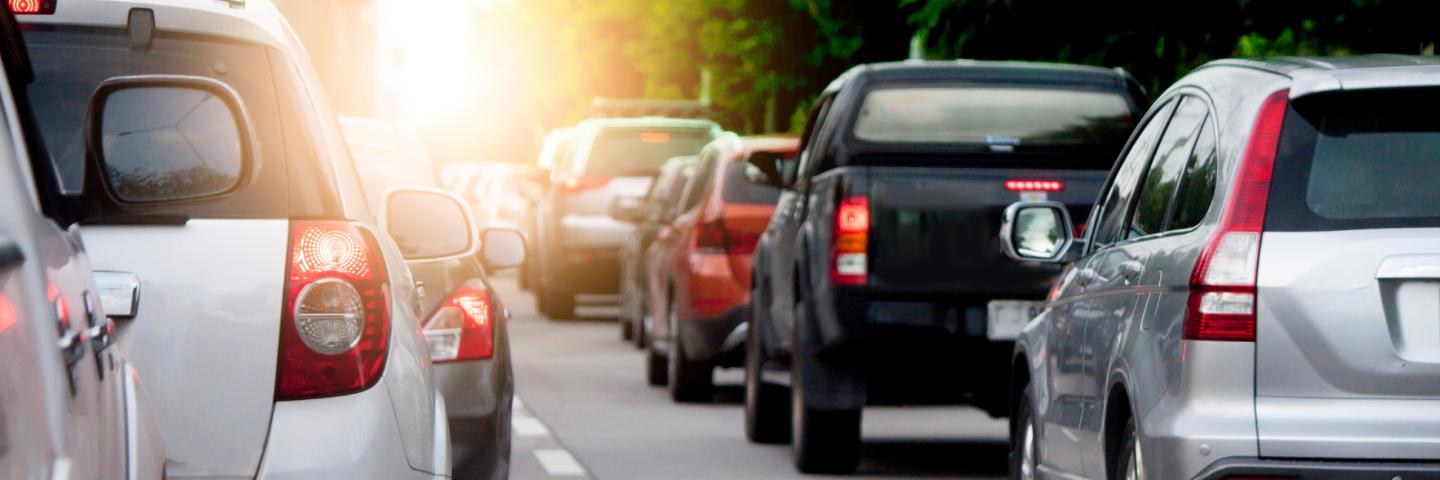
Reducing pollutant emissions from traffic is still necessary in order to reduce the impact on health and the environment. To this end, researchers at the Chair of Transport Ecology are developing new analysis methods to find out how much motor vehicles actually emit in different driving situations. Machine learning methods are used to analyze remote sensing data collected across Europe, i.e., emission values measured as vehicles pass by. This contributes to field monitoring and the identification of high-emission vehicles.
Ten years after the so-called emissions scandal, the researchers summarize the development of passenger car emission values in real driving conditions in a recent evaluation.
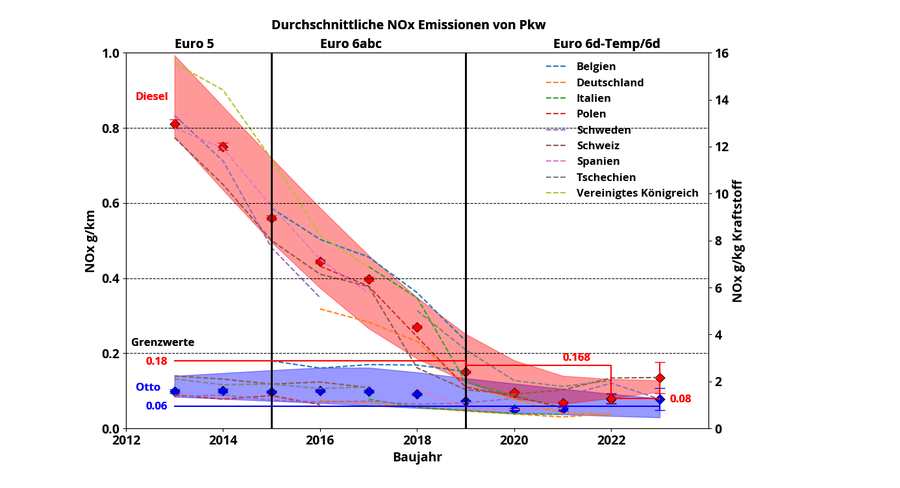
Only with the introduction of mandatory road tests (real-driving emissions tests) as part of the Euro 6d-TEMP emissions standard are NOx emissions from new diesel cars now at the intended low level. This adjustment to EU emissions legislation has therefore proven to be an effective measure. In order to continue to identify deviations at an early stage and take targeted countermeasures in the future, continuous monitoring of real emissions is recommended, as enabled by remote sensing measurements.
Inhalt
Originalautor
Lisa Dreßler/ Red. bearb.Video: Remote Sensing
Prof. Dr. Jens Borken-Kleefeld
Chair of Transport Ecology
Tel.: +49 351 463-36566
E-Mail: jens.borken-kleefeld@tu-dresden.de